
Avro Lancaster I
An airframe, a crew and an industrial undertaking.
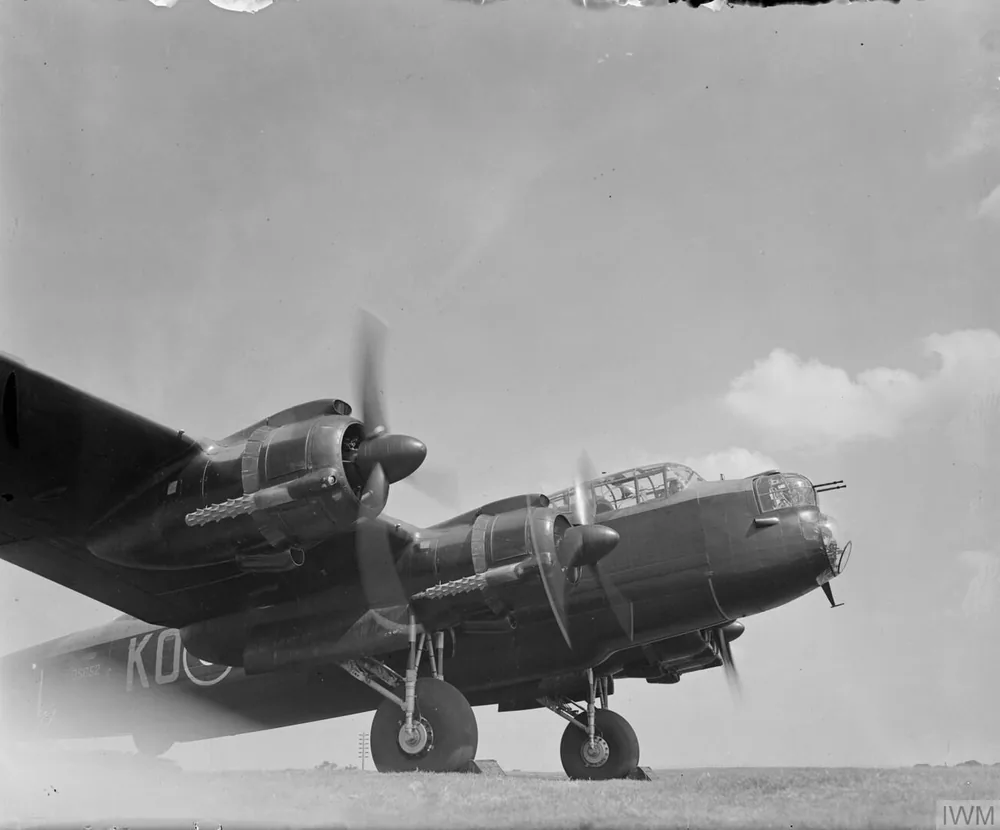
Photo: Royal Air Force official photographer (IWM CH 19792) · Public domain
A credited photograph of this aircraft, not a recognition drawing.
The historical setting
The Lancaster prototype first flew in January 1941. Developed from the troubled twin-engined Manchester, the four-engined Lancaster became a major RAF heavy bomber. The RAF Museum’s account emphasises both the production effort and the dangerous conditions faced by crews.
Look closely
Count the four engine nacelles, then find the twin-fin tail. On a full-size exhibit, look for the positions from which different crew members worked. The aircraft was a shared workplace as well as a machine.
Read beyond the achievement
A responsible history includes the human consequences of bombing and the people exposed to it. At a museum, pair the technical label with personal testimony. Ask what a specification sheet cannot tell you about fatigue, fear, maintenance and the impact on civilians.